

Turn Intention Into Action
If you have been reading a few editions we have put out over the past few months, you'll most likely be used to the random angles we attack things from, but if you are new here maybe you won't.
So, hey 👋🏽 there if you are new.
We don't do things like others who are focussing on sales, customer acquisition and retention. And leaning into that is key.
The Mystery Box principle is something that film producer and director JJ Abrahams talks about. The idea being, that your imagination will 'fill the gap' when you are told 'there's a terrifying monster entity coming towards you behind a closed door' or 'the world's greatest magic trick in a mystery box', and your brain will create your version of whatever that is. Your version of scary or amazing is different to mine.
And, the idea of 'what is cool and what a customer will part with their cash to buy', is about anticipation. Put simply.
If you are looking at how this exists commercially, lets look at smart phones this week, because that's clearly a market where there are no big players and plenty of gaps, right??!... 🫠🫠🫠
Ok, so lets do some imaginative work before we jump in, I'm a 23 year old guy, I live in one of the UK's major cities, I like film, music and I'm culturally aware. I've just started full time time work and I want to upgrade my phone on my commute.
I open up my web browser, go to Back Market or Reboxed® and within 0.3 seconds realise the smartphone market wasn't exactly crying out for another phone.
Apple, Samsung Electronics, Google.
Enough choice already.
Yet... somehow a consumer electronics company from the UK have slid right though the legs of a bunch of lumbering, slow moving giants.
If you don't know them already, say hello to Nothing phones.
Because they are about to teach you all about something that most brands struggle with, they made people care before the products existed. And that my friends, is where this week's lesson begins.
Grab your delicious lunch from your local tastecard (😉) restaurant. And lets jump in.
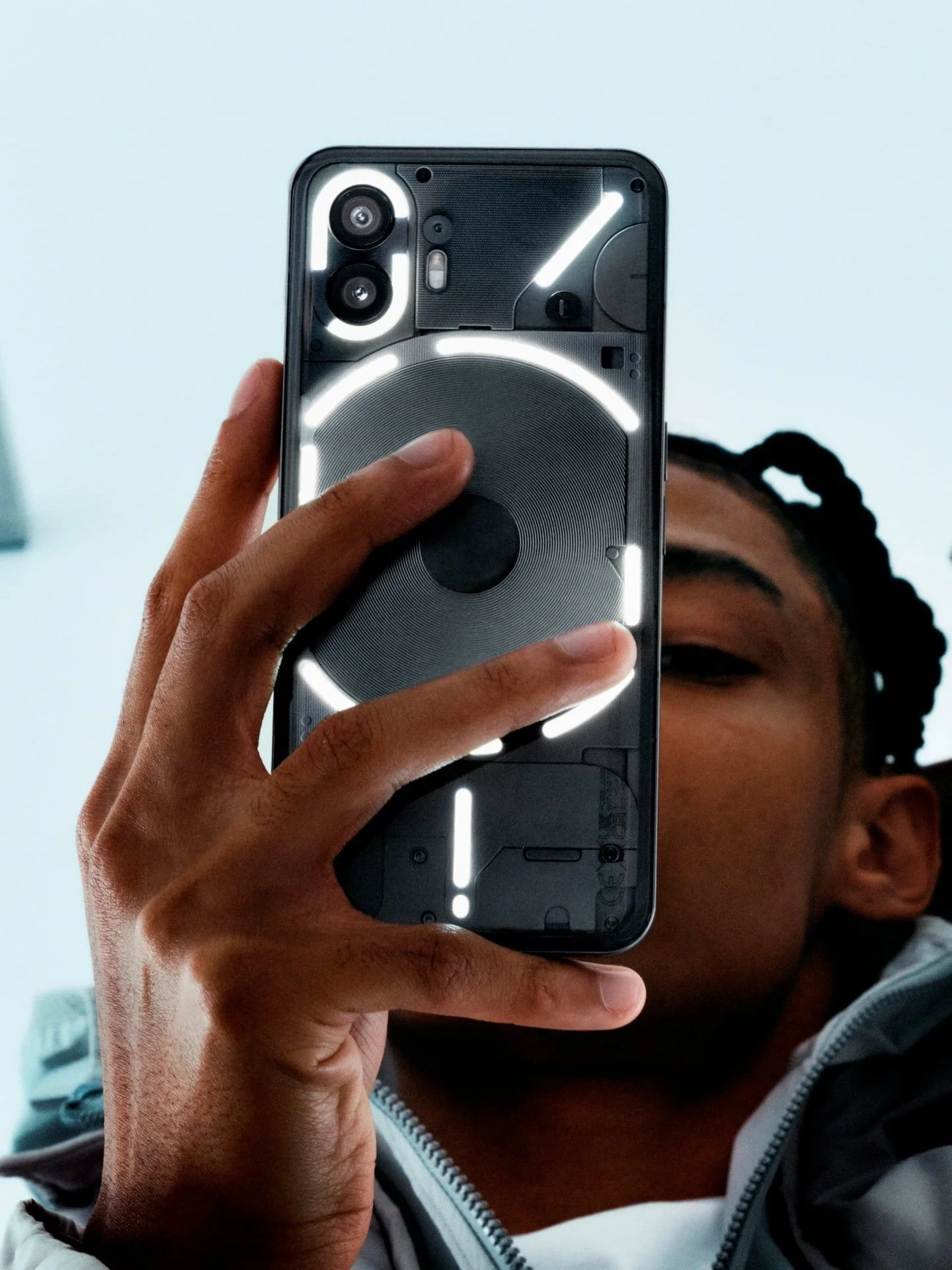
NOTHING PHONES
2nd the Best... (or is it?).
So this is how most businesses do things:
Most businesses spend months developing a product, then eventually, someone says:
"Right, let's tell people about our new shiny thing."
The website goes live, a LinkedIn post is triggered by key people in the business, press coverage goes out and maybe an email gets sent.
And then regardless if you are B2B or D2C, everyone waits for sales.
The problem? Nobody was waiting for the product in the first place.
Nothing took a different approach. Before the phone existed, the conversation already did.
The Carl Pei Playbook
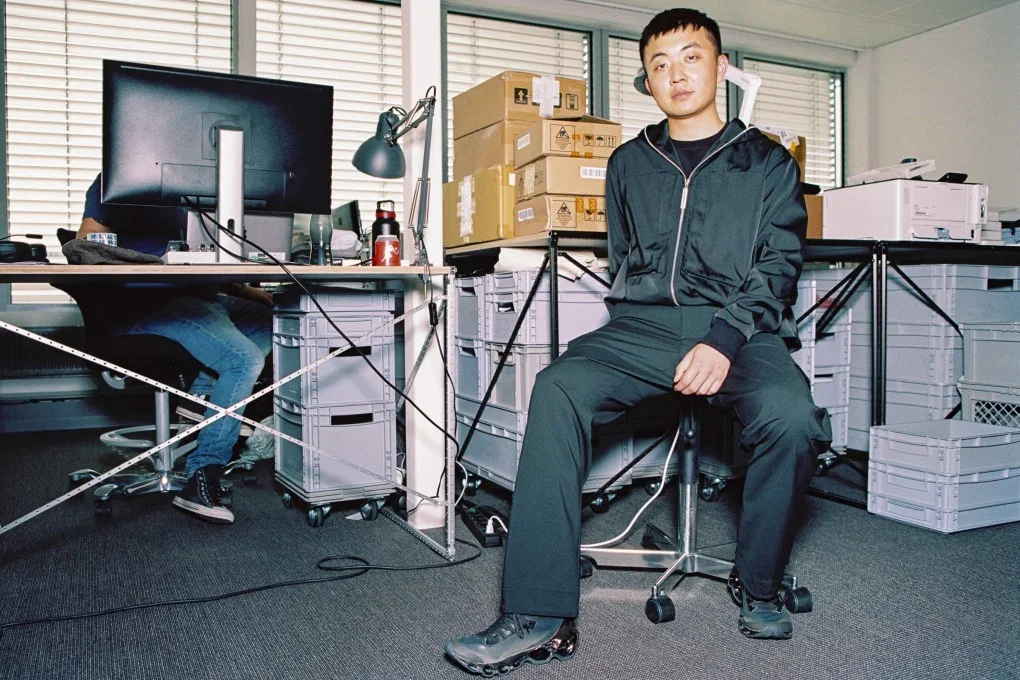
CARL PEI: NOTHING PHONES
Carl Pei: Nothing Phones
Sorry, what was that? You don't know who are OnePlus are?... (Cue the Ace Ventura style huge intake of breath)...
OnePlus is a HUGE Chinese consumer electronics manufacturer renowned for producing premium smartphones, tablets, and wearables under the motto "Never Settle". And as part of their customer loyalty program (the Red Cable Club), they offer RedCoins which is a virtual engagement currency that users can earn through device purchases or community tasks to redeem for discounts and accessories.
Phew.
So, Carl understood something many businesses miss:
People don't just buy tech products, people buy into a community and the story narrative behind it.
So, before Nothing launched its first phone, people already knew:
Who the founder was
Why the company existed
What it stood for
What it disliked about the tech market
The result of that, is customers were emotionally invested before they saw the product. And that's HUGELY important. Because what Carl then did, is heavily align with other cultural spearheads relevant to the Nothing customer base who are generally Gen Z and millennial tech enthusiasts, digital creators, and value-conscious trendsetters aged 18-35.
AND aside from the celebrity investors they have (who are public facing) including Charli XCX, Swedish House Mafia, and Casey Neistat. Nothing did things differently by backing away from 'big tech' and proactively recruited backers through Crowdcube (even though Nothing were not in need of cash) Because anticipation creates attention and ownership creates deeper loyalty.
If you want to just exclusively think about 'the benjamins' attention lowers acquisition costs, substantially.
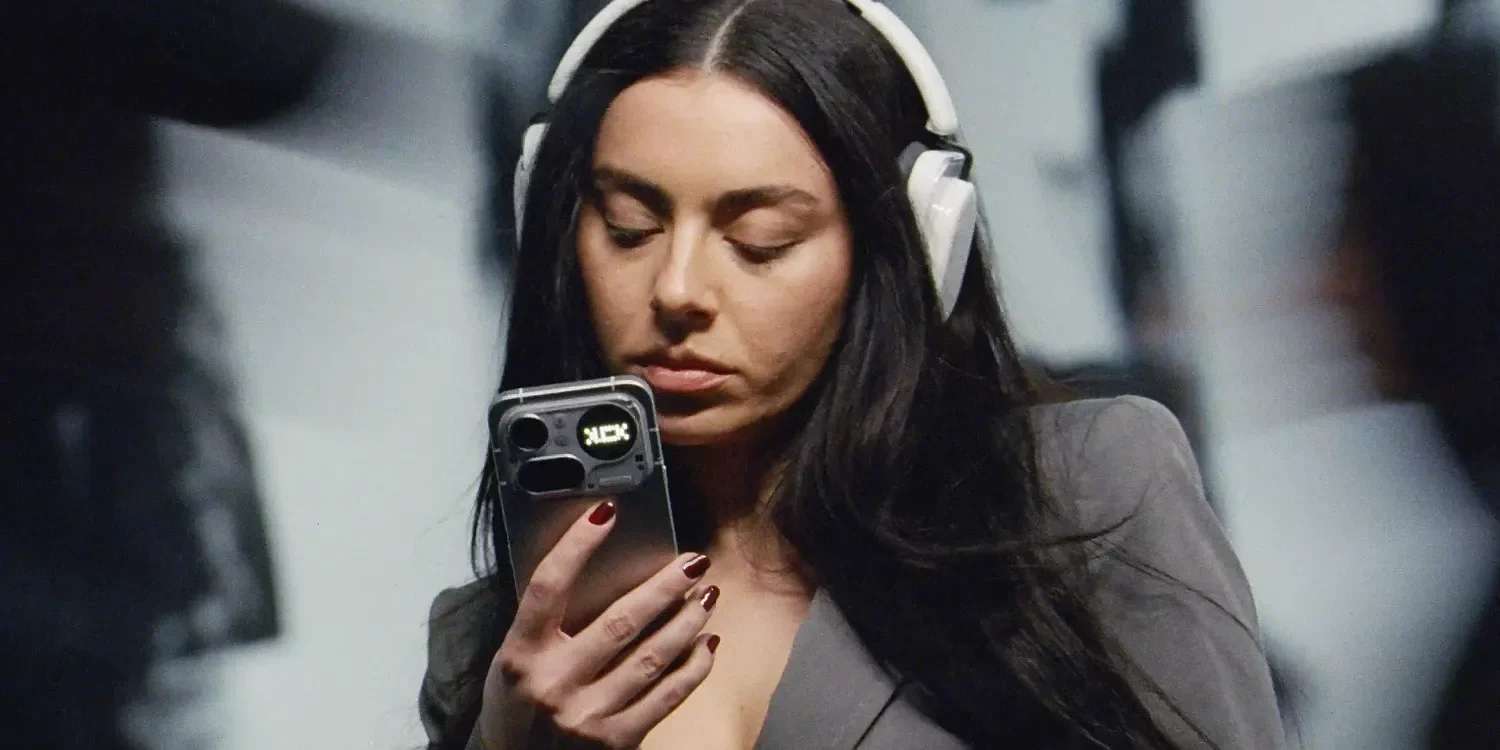
Charli XCX: Brand Ambassador / Investor - Nothing Phones
Why 'being behind the curtain' is key here.
One of the smartest things in my opinion wasn't that they built a phone, a phone makes sense because it is critical kit for the majority in the aforementioned demographic.
But, so is transport, living spaces and food.
What Nothing did, is build curiosity and 'let the market in all the way through concept stage',
Design sketches appeared, concepts leaked, dev updates were shared. And as a result the audience felt involved all the way along. So, the launch wasn't a moment that dropped from the sky, it was a co-owned journey.
And every update gave people another reason to talk about the brand, which obviously Nothing amplified.
Now, this is VERY, VERY different from most tech brands because they are super cagey about anyone taking and copying their innovation. So, many businesses hide development.
Nothing, instead made development the entire marketing piece.
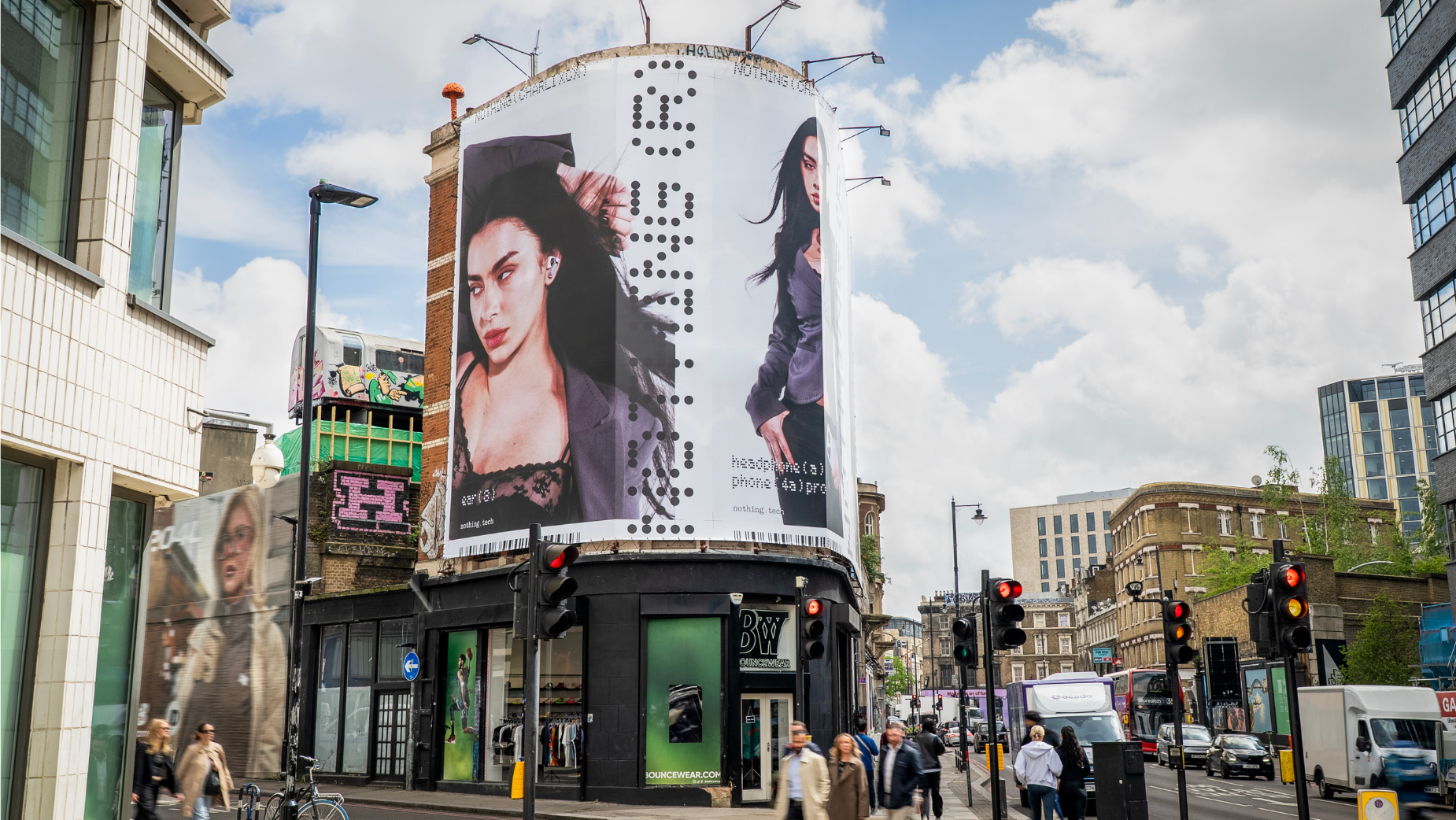
NOTHING: Shoreditch London
"Yeah, that's all great, but I don't have a £100m marketing budget, I'm a fintech, how's that useful to me"
Thanks Mum, it matters loads actually. Most launches focus on release day, but Nothing showed us that opening up the design and concept stage of a product and engaging on customer input is really powerful.
So, this is niche I know, but lets use a golf analogy to put this another way...
If you are swinging a club, its not about focussing on hitting the ball. Its about focussing on the swing before you hit the ball.
So if you are a fintech... open up the design process, create polls, discussions and what is important to new customers as apposed to just existing ones. Find out what they HATE, and when you are looking for driving a launch strategy create a waiting list.
Think about the brands people discuss months in advance, think about the products people speculate about online and queue for, what is it about collaborations that make them so desirable?
Well, they are all doing the same thing, creating anticipation. And anticipation changes behaviour.
Customers move from:
"Should I buy this?"
To:
"When can I buy this?"
That's a VERY different conversation.
Carl Pei: NOTHING Phones
You should all be doing this.
I won't mince my words here. Banks can do this, Insurers can do this, Telecoms businesses can do this. Your local coffee shop can do this.
The principle is exactly the same.
Let's say you're launching:
a new current account
a loyalty programme
a rewards platform
a new service
Most businesses wait until launch day and go !!BANG!! "here's a new thing!!!"
The smarter approach is asking:
How can we bring customers into the process before launch?
Because people support what they help create, and anticipation often creates demand before the product arrives.
💰💰💰💰💰💰💰💰💰💰💰💰💰💰💰💰💰💰💰💰💰💰💰💰💰💰💰💰💰💰💰💰💰💰💰💰
What This Means Commercially
In reality, this is a super smart commercial move, simply because its expensive gaining new customers, and letting them in before you launch is super smart.
It's the 'walk through the Pizza Hut kitchen on your birthday' (just me?...) approach, to see how things are done so as a customer, you feel special.
And to ramp that up, when anticipation is created properly:
✅ Customer Acquisition Costs decrease
Because customers become advocates and buy in before launch.
✅ Conversion Rates increase
Because trust is built beforehand and they tell more people.
✅ Sales Cycles shorten
Because customers already understand the value, and they are already set to spend.
And perhaps most importantly:
✅ Attention compounds
Because every conversation creates another conversation, and they are coming to you for updates.
--
The Bigger Lesson
Nothing didn't win because it had the best phone specifications. It won, AND IS STILL WINNING because it created a really interesting stories in a space that was a walled garden before.
The launch became the product, not the product itself. And the strongest brands who understand sales and marketing will make sure they understand that people rarely buy what arrives. They buy what they're looking forward to.
--
Marinade on this...
What are your customers anticipating from you?
Because if the answer is "diddly squat", you're probably launching too late, and are going to struggle to keep hold of customers.
Over and Out.
Crazy Animal Face 🦉
Creative Commercial Thinking For Leaders Responsible For Growth
