

when you hear ‘would you like to come back for some coffee’ its not about what you think…
coffee is the part ‘between’ the transaction you were looking for (as a business).
so… What can Lloyds, Metro Bank, Heinz and Kate Spade teach us about coffee, collaboration and customer retention.
A 20-minute read from Crazy Animal Face in 3 parts.
So, you're a bank and you want to improve customer retention. What do you do?
Before we jump into this, if you have read one of our articles before, there is a pattern. And the road to success goes a little something like this:
What does your customer do that is an existing habit? >
What can you give them that habit and makes that experience better? >
Why will that make you unique, as the giver as that product, service or reward?>
The end.
With that in mind, here’s what you don’t do. Don’t just offer:
Cashback
Referral incentives
Smart upselling
Better digital experiences
Community-building initiatives
And yes, they are all sensible ideas. But the problem is that you are not unique in any way. Everyone in the financial services does that. There’s an argument here to say that there will be ‘market expectation’, but here’s something also to think about, they will be the same angles that your competitors are using, and i’m sure you’ll want to distance yourself from those guys…
Now, if you're operating in a highly specialised niche, that may be enough. But, most banks I've spoken to over the years (and I've spoken to a lot of them) are ultimately fighting for the same thing:
Customer attention. And attention is becoming increasingly difficult to earn. Trust is low, and products are becoming more similar.
AI is rapidly becoming the answer to every boardroom conversation. And, if we're honest, most people don't wake up excited to engage with their bank.
In fact, many customers only hear from their bank when:
something has gone wrong
a payment is due
a rate has changed
a new product is being marketed to them
Hardly the ingredients for deep loyalty…
Which brings me to a quote from a very wise man… Gusteau in Ratatouille:
"If you focus on what you left behind, then how can you see what lies ahead?”"
Thanks Gusteau, don’t get me started on how disruptive he is, ‘rats in the kitchen and all’ so...
What's next?
Part One
Thinking Different, Gets Different Results
Some banks have started looking outside banking altogether, and that's where things become interesting.
Take Club Lloyds.
One of the benefits available through the account isn't a better savings rate, it isn't a mortgage product, account feature or increased cashback trigger.
It's coffee.
Through Coffee Club and Gourmet Society, customers can access discounts on barista-made drinks, restaurants and a range of everyday lifestyle benefits.
At first glance it feels slightly strange.
You're a bank mate, why are you helping me buy a flat white?
Good question, and the answer is simple. Lloyds understand something important:
The average customer doesn't think about their bank every day. But, they might buy coffee every day.
And every time they do, they're reminded that their banking relationship delivers value beyond banking. That’s the part that matters.
Because Lloyds isn't competing for attention against other banks. It's competing against everything else in a customer's life.
Yes it’s a coffee ☕️, but it’s not really about that.
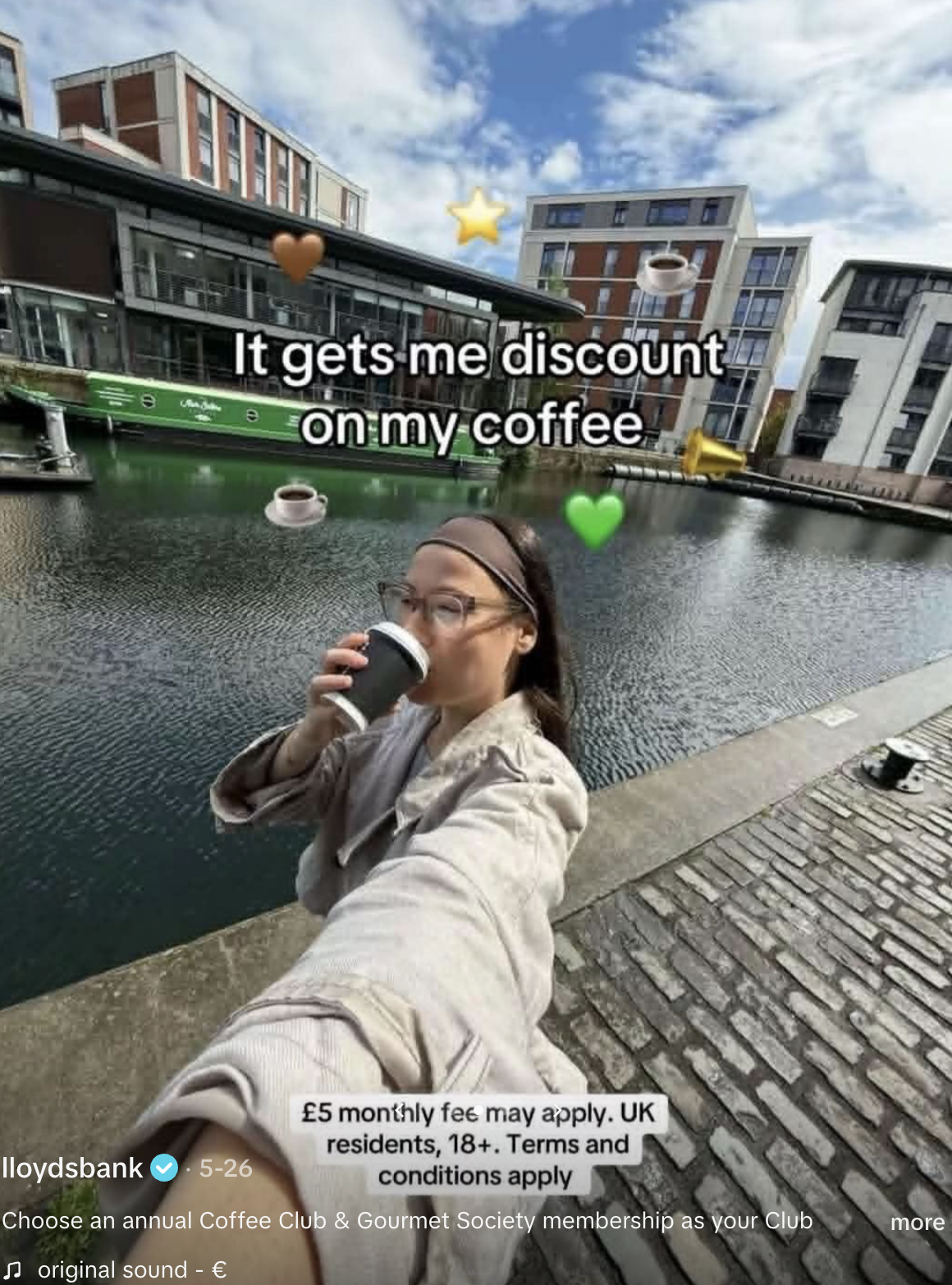
Lloyds didn’t just buy a coffee, they bought attention, and physical attention at that.
Their customers, needed to actually do something in order to access it as well, like, put their shoes on, take a walk down to the high street levels, and TALK to someone behind a counter in order to access the value.
Coffee shops occupy what sociologists call a "third place."
As James brown said, “break it down…”
Your first place is home, your second place is work, our third place is where ‘life’ happens.
It's where people:
meet friends
catch up with family
work remotely
relax
think
Coffee shops have become one of the most powerful third places in modern society.
And here is another interesting slant, research consistently shows that women are significantly more likely to use coffee shops as social spaces, meeting friends and family more frequently than men.
According to data from consumer research platform Attest, 50.3% of women visit coffee shops to meet friends and family. This is significantly higher than male consumers, where only37.2% visit for social purposes.
So when Lloyds offers coffee discounts through Club Lloyds, they're not simply rewarding customers.
They're inserting themselves into an existing habit. And here’s another stat you might want to see about women specifically…
56%of women manage household finances, including food, day-to-day activities, and paying bills.
37% of women in couples are primarily in charge of household budgeting, compared to just 22% of men.
Nearly 40% of women living with a partner experience guilt when buying something for themselves, which is nearly double the proportion of men.
Ahhh, the penny has dropped hasn’t it, literally.
Banks need to speak to women, and engage them with levels of trust that make them a preferred partner for financial action. There is already a coffee purchase habit there, and habits drive retention.
Part Two
Selling Through Emotional Connection
Here's where many reward programmes go wrong, most businesses think rewards are about giving customers something. The best businesses understand rewards are about creating relevance. There's a HUGE difference.
One creates transactions, the other creates memory. And memory is often, what really drives loyalty and repeat business.
Think about one of the most challenging sectors right now:
Fashion.
Premium brands are under pressure everywhere, new brands emerge constantly, and social media has lowered the barriers to entry making it easy for those challenger brands to explode over night. A customer’s attention is fragmented, and they are distracted.
Which means, emotional connection matters more than ever especially when a new competitor can appear tomorrow.
Therefore stronger emotional connection is much harder to replace.
Enter Heinz Ketchup 🍅
Let's talk about ‘tommy sauce’, because ketchup has absolutely no business teaching us about customer retention if we are a bank or fashion retailer... right?! But yet here we are.
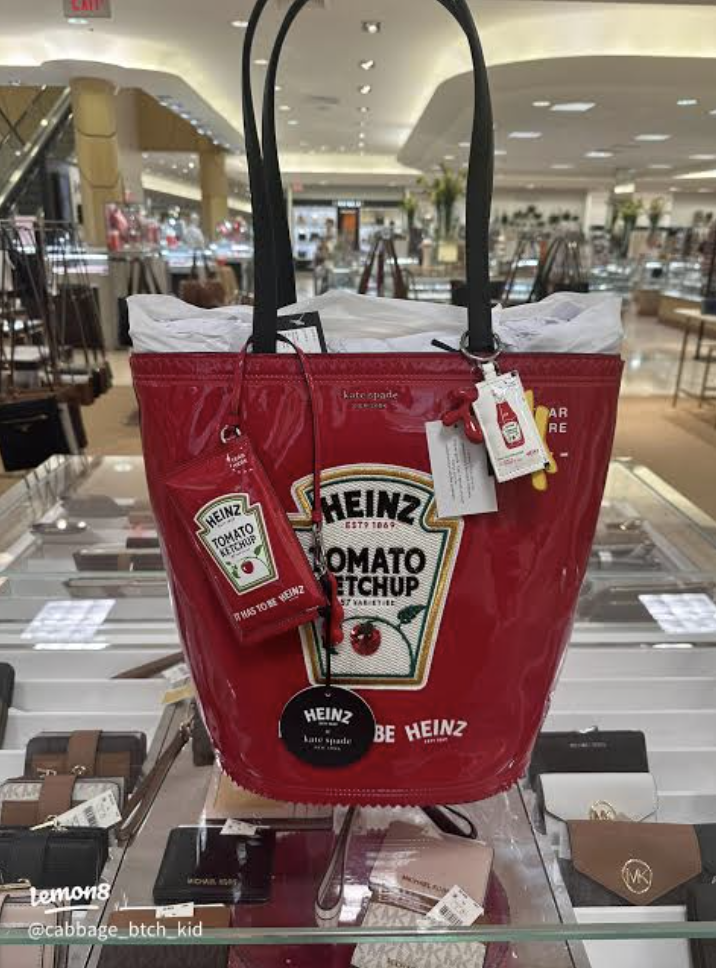
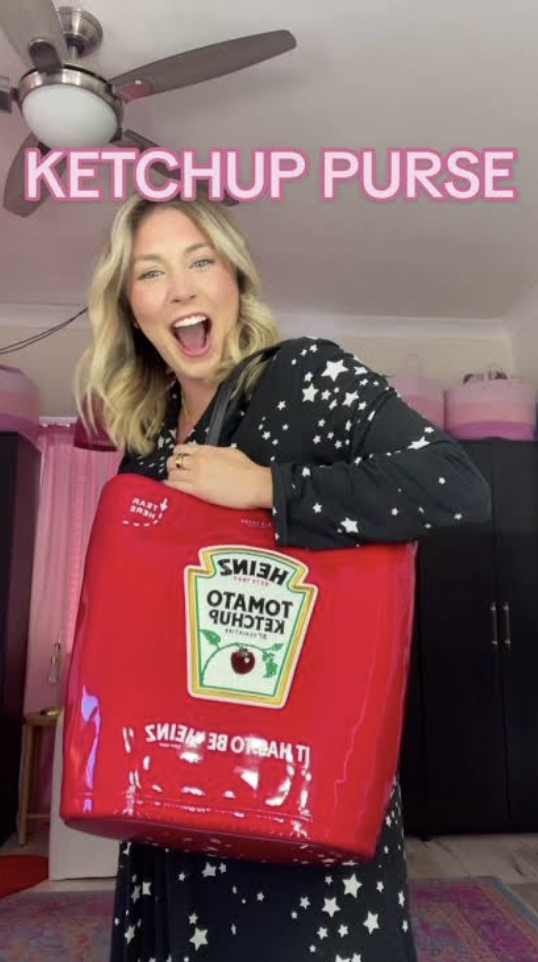
When Heinz partnered with Kate Spade, the collaboration looked ridiculous on paper.
A premium fashion brand + A ketchup company = “Sorry what, I’m the CFO and you want me to put what into production?”
What could they possibly have in common? Well, quite a lot, actually. Because Heinz isn't simply a condiment, it's nostalgia, it's a staple in family meals. It's BBQs, it's childhood, it's familiarity.
The partnership tapped into memories and emotion, And customers loved it. The collection generated huge engagement, products sold out. And many pieces now trade for multiples of their original retail price, over a £1k for a handbag for example. Saucy.
So, lets break that down again, the collaboration worked because it wasn't about ketchup. It was about how ketchup makes people feel and that's an important distinction to make, especially when you look at the numbers:
Kate Spade’s audience is:
Female: 85% to 92% of the total customer base.
18–24 in Age:57% of social engagers (notably on platforms like TikTok).
Heavily concentrated in urban and suburban hubs with a high affinity for US regions like California, Texas, and Florida.
Heinz’s audience (specifically for grocery):
Women are the Primary Household Shopper: 78% of women identify as the primary shopper in their household, meaning they hold the final say in product selection and purchasing.
The Caregiver Multiplier Effect: Because women frequently serve as caregivers for children and the elderly, they frequently buy on behalf of extended family members, friends, and their immediate households.
Cooking at Home:Time-use surveys show that about 71% of mothers handle both meal preparation and grocery shopping, compared to roughly 20% of fathers who report primarilyhandling these tasks
There’s a trend here isn’t there… women control a large amount of purchasing decisions. So, if you are a brand you may want to look at that as “surprise, surprise” (as Cilla would say) there’s a buyer trend that you can sell too.
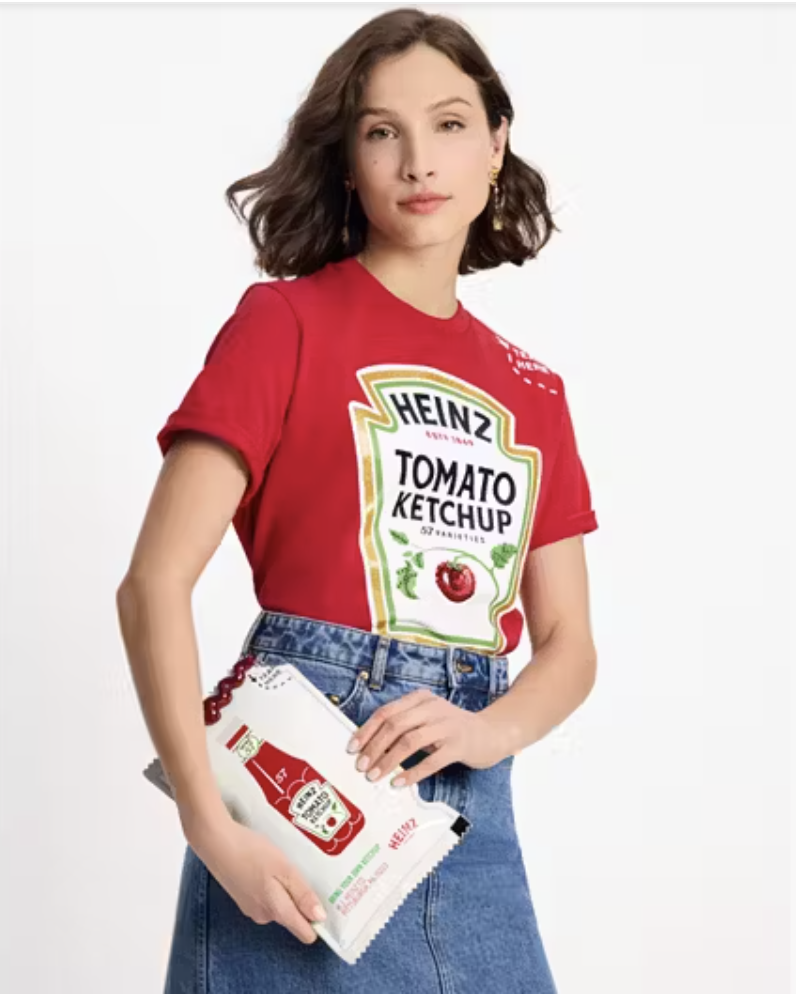
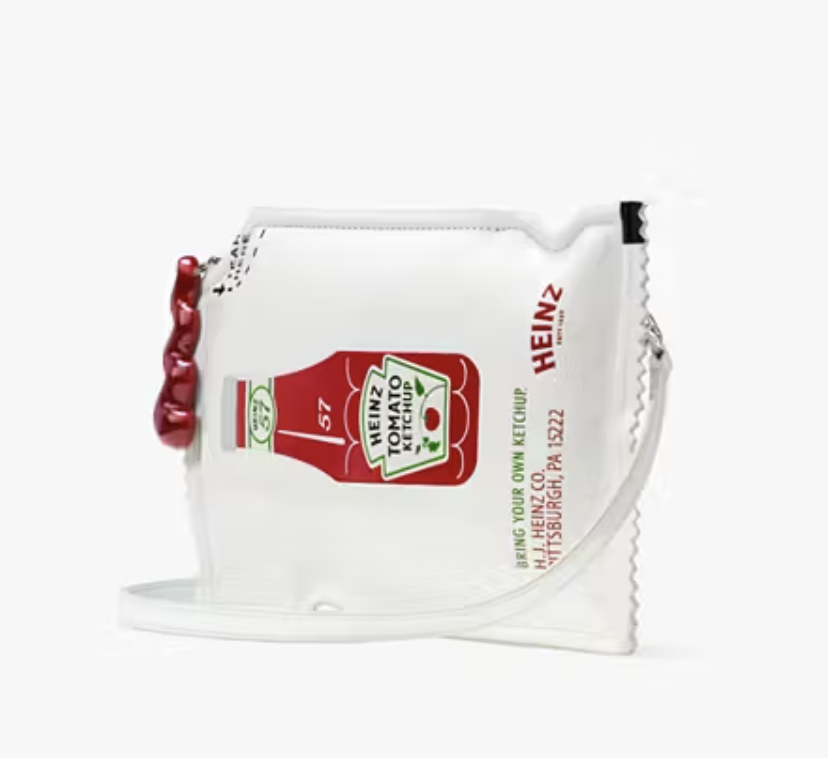
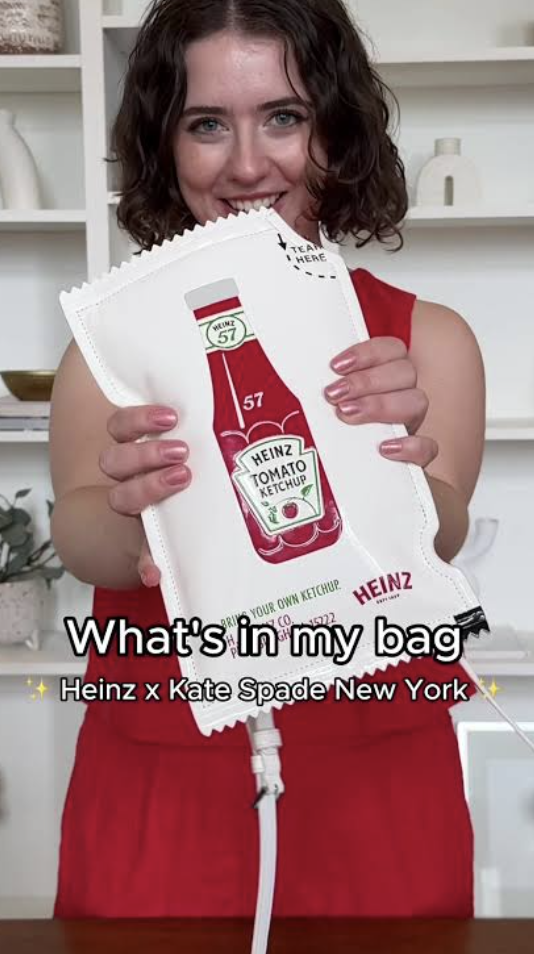
Need more convincing? here’s Three More Collaborations That Made Commercial Sense
The best partnerships don't just make sense in a boardroom, they make actual sense in a customer's life.
Uber x Spotify

Uber allowed passengers to connect Spotify accounts and control music during rides.
Uber wasn't improving transport, they were improving the experience OF the transport. And that's where loyalty lives that they were looking for. Customers expect to get from A to B, but the way they get there can change and for the better.
LEGO x Adidas
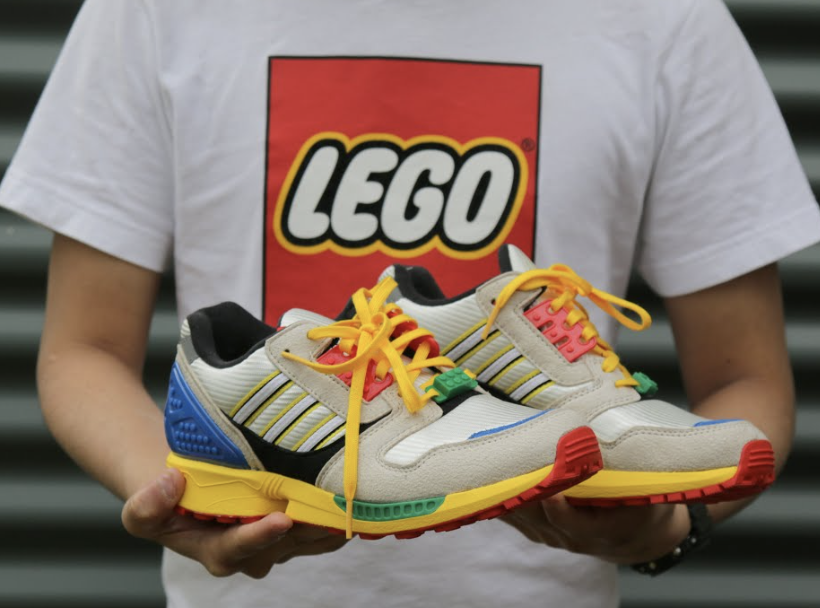
Lego and Adidas Collaboration Trainers

Right, so… a toy company and a sportswear brand. But the reality is two brands built around creativity, imagination and self-expression.
The partnership worked because the VALUES aligned. Not because the products did.
Part Three
Creating Repeat 🔁 Purchases Through Habit
Giving away perks without a strategy creates transactions yes, but building rewards around habits creates repeat behaviour. And that my friends, is the goal, because repeat behaviour creates retention. For years banks competed through:
rates
products
features
And concerningly, many still do. But as products become increasingly similar, experience becomes the differentiator.
Which brings us to Metro Bank.
Metro Bank and Women's Cricket
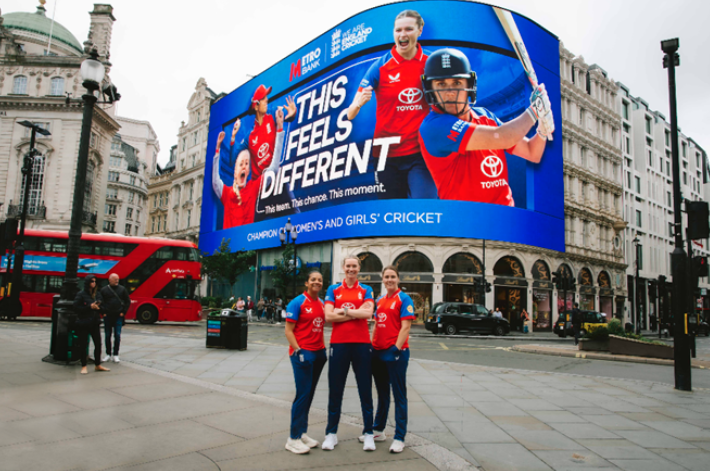
Metro Bank and Women’s Cricket Activation
Metro Bank has invested HEAVILY in women's cricket and as an aside that's interesting in itself. But, sponsorship is only half the opportunity because most sponsorships create awareness. But for me the smarter question is:
How do you convert awareness into behaviour? 🤔
So riddle me this… Imagine if Metro Bank linked account ownership to rewards that aligned with the audience they're already investing in.
Coffee.
Let’s cycle back through the detail we just covered because family experiences, food and drink and grassroots community events are all connected to Women’s cricket. And as the sponsorship already creates attention.
The rewards around that could create action, and that's where the real opportunity sits.
The Commercial Lesson
If your loyalty strategy only creates value when customers are actively using your product, speaking plainly you are limiting its impact. The strongest loyalty strategies create value when customers aren't thinking about your category at all and you are blended, seamlessly into their habits.
That is why:
coffee works for banks
music works for transport businesses
ketchup works for fashion
experiences work for insurers
rewards work for almost every industry
The goal isn't ❌:
How, do I reward my customer?
The goal is ✅:
How, do I stay relevant when my customer isn't thinking about me?
Because that's where real loyalty starts.
What This Means to you, Commercially speaking mr.IPKISS
When done properly, loyalty strategies impact:
✅ Customer Lifetime Value (LTV)
✅ Revenue Per Customer
✅ Customer Retention
✅ Customer Acquisition Cost (CPA)
Because retained customers:
buy more often
stay longer
refer others
cost less to serve
And the strongest brands understand something many businesses still miss… Loyalty isn't built during transactions. It's built in the ‘bit’ between.
let this thought marinade, and then put it into action
Where does your customer spend time, when they aren't using your product?
Because your next growth opportunity is probably hiding right there.
🦉
Crazy Animal Face
Creative Commercial Thinking For Revenue Leaders
It’s not about luck, its about being ready to catch and maximise it when it’s thrown your way.
